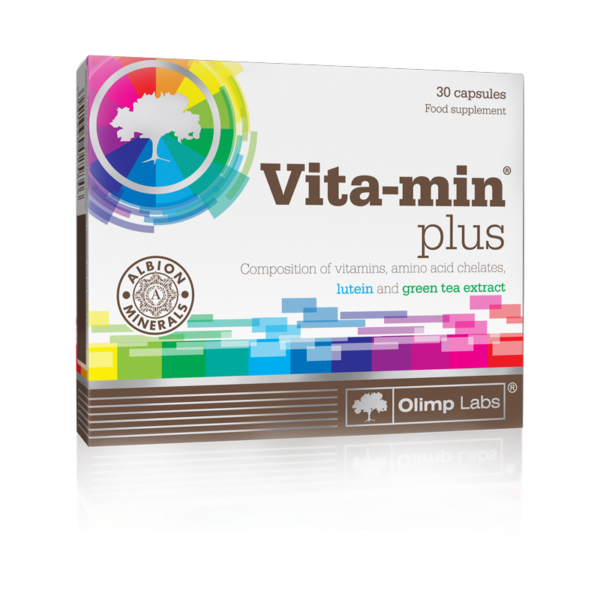
A supplement label is often more useful than the front of the packaging. Claims such as ultra, advanced, hardcore, premium or clinically dosed have no value unless supported by the composition and actual amounts.
Nutrition Labels – The basic fields
Serving Size
It shows the serving size on which the stated amounts are based.
Servings Per Container
It shows how many servings the pack actually contains.
Calories, Protein, Carbohydrates & Fat
For powders, bars and gainers, it is important to consider the full nutritional profile, rather than just one individual figure.
Active Ingredients
For pre-workouts, vitamins, herbs and specialty formulas, the actual amount of the active ingredient per serving matters.
Ingredient List
Ingredients are usually listed in descending order by weight. The list helps identify sweeteners, oils, allergens, fillers and blends.
Proprietary Blends
When only the total amount of the blend is stated, without individual doses, assessment becomes more difficult.
Percentages & Standardization
For herbal extracts, percentages such as 5% withanolides or 95% curcuminoids should be considered alongside the actual mg of the extract.
Elemental Minerals
For magnesium, calcium and zinc, the amount of the elemental mineral matters, rather than just the weight of the salt.
CFU in Probiotics
CFU represent viable microorganisms. More CFU do not automatically mean a better product.
EPA + DHA in Omega-3
Total mg of fish oil are not the same as mg of EPA + DHA. These are the most useful figures for comparison.
Amino Acid Spiking & Protein Quality
A protein powder should be assessed by total protein content, the protein source and a reliable label, rather than individual amino acids that may have been added.
Allergens & Warnings
Milk, soy, gluten, nuts and other allergens should be checked when there is a relevant sensitivity or allergy.
What do advertising terms mean?
- Natural – does not automatically mean safe
- Premium – is not a scientific term
- Clinically tested – we need to check exactly what was studied
- High potency – may simply mean a high dose
- Zero sugar – does not mean zero calories
Frequently Asked Questions
1. What should I look at first?
Serving size, actual active amounts and the ingredient list.
2. Does a larger pack mean better value?
Not without comparing servings and the actual amount of the active ingredient.
3. Do more ingredients mean a better product?
No.
In Brief
A good supplement purchase starts with the back label, rather than the marketing on the front.